

If you are the one who handles Mom's pills, Dad's doctor visits, the groceries, the late-night phone calls and everything in between, you already know what it feels like to run on empty. Respite care in Glendora gives you a break from all of that. A caregiver comes to your parent's home for a few hours, a weekend or longer, so you can rest, take care of your own life and come back with more patience than you left with.
A lot of the families we talk to wait too long to ask for help. They feel guilty, or they assume nobody else can do it the way they do. Here is how to tell when you need a break, what respite care looks like, and how to set up a caregiver so you can step away without worrying.
Signs you need a break more than you think
Caregiver burnout rarely shows up all at once. It creeps in. Adult children and spouses tell us things like this:
- You are tired even after a full night of sleep, or you are not getting a full night of sleep at all.
- You snap at your parent, your spouse or your kids over small things and feel bad about it later.
- You have stopped seeing friends or skipped your own doctor appointments.
- You feel like you can't leave the house for more than an hour.
- Your work is slipping, or you have used up your vacation days on caregiving.
- You feel resentful, then guilty for feeling resentful.
If two or three of these sound familiar, that is your cue. Taking a break doesn't mean you're giving up on your parent. It's how people manage to keep caregiving for years.
What respite care in Glendora can cover
Respite care is short-term care that fills in for you. It is flexible, and families use it in very different ways. Some common examples:
A few hours a week
Maybe you need Tuesday afternoons to run errands, see your own doctor or just sit somewhere quiet with a cup of coffee. A caregiver can come for a set block of time each week. That small, regular break often makes the biggest difference.
A weekend away
A wedding, a reunion, a weekend in the mountains. A caregiver can stay with your parent for a longer stretch so you can actually be present wherever you are, instead of checking your phone every ten minutes.
While you travel
If you have a work trip or need to visit other family out of state, respite care keeps your parent's routine going at home. If your parent can't be alone at night, care can be arranged for longer days or overnight.
The holiday season
Thanksgiving and December are close. Between shopping, cooking, hosting and travel, the holidays are one of the hardest times to be a family caregiver. If you want help on specific days, it's easier to plan it now than the week before.
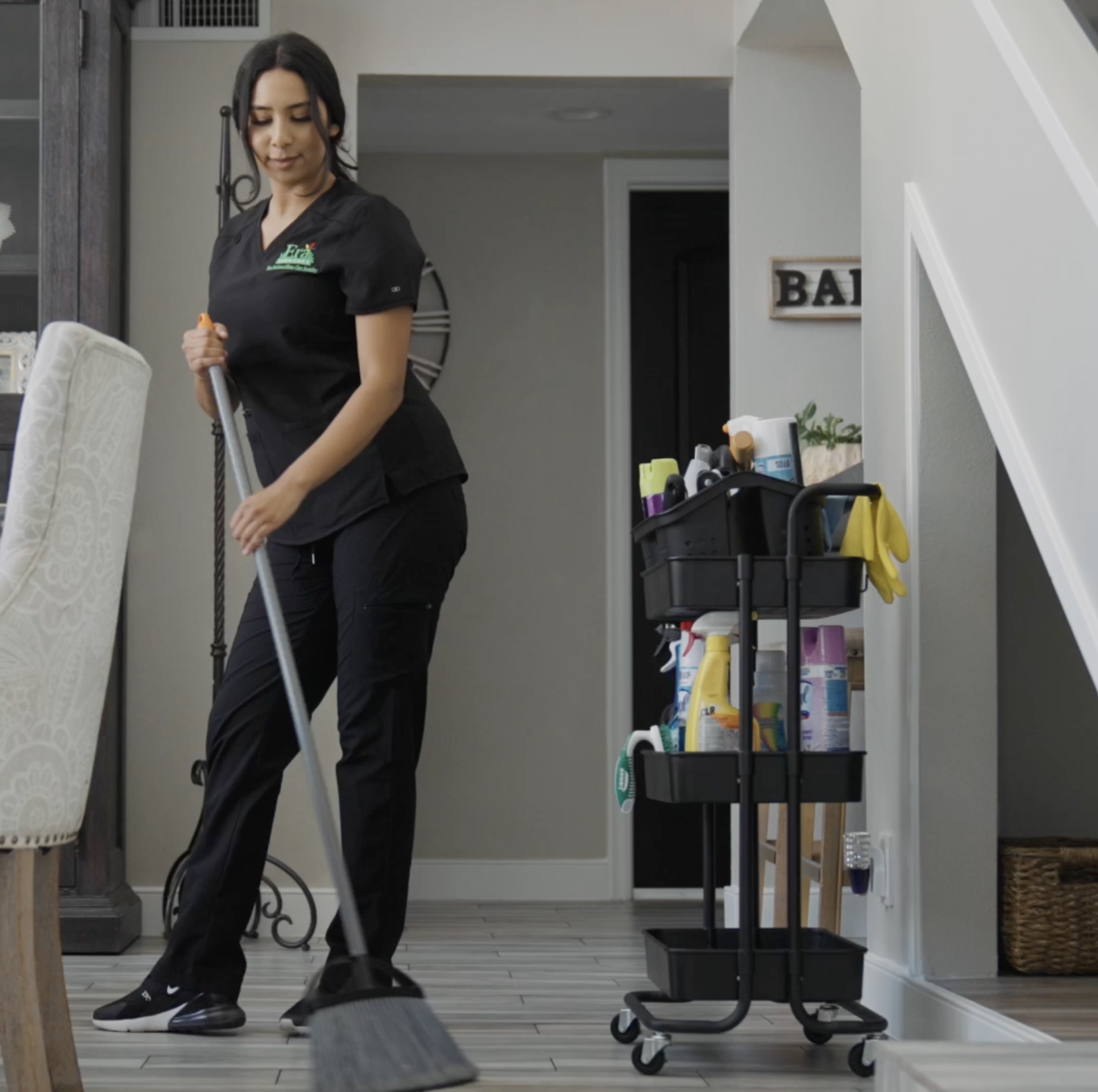
During a visit, the caregiver handles the same kinds of things you do: companionship, meals, light housekeeping, help with bathing and dressing, medication reminders, and keeping an eye on safety. Our care is non-medical, so caregivers do not give medications or do medical tasks, but they will make sure the reminders happen on time.
How to get a caregiver ready to step in
The biggest worry we hear is, "Nobody knows Mom like I do." That's true. But you can share a lot of what you know in writing, and it goes a long way. Before the first visit, put together a few simple notes.
Routine notes
Write out a typical day. What time does your parent usually wake up? When do they eat? Do they nap after lunch? Which TV shows do they never miss? Routines help older adults feel settled, especially if there is any memory loss.
A medication list for reminders
List each medication, the dose and the time of day it's taken. Note where the pill organizer lives. The caregiver uses this to remind your parent, not to manage or give the medications. Add your cell number and a backup contact, too.
Preferences and the little things
How do they like their coffee? Do they prefer a shower or a bath? Is there a topic that always cheers them up, or one to avoid? Do they get anxious in the late afternoon? These details help a new caregiver feel less like a stranger to your parent.
Our care coordinators go over all of this with you during the free in-home assessment, and we write it into the care plan so every caregiver who visits has the same information.
Start small and let it grow
You don't have to commit to a big schedule on day one. Many Glendora families start with one or two short visits a week. You might even stay home for the first visit or two, introduce the caregiver, and step into another room. Once your parent is comfortable, you leave for an hour. Then an afternoon. Then a full day.
This slow start works well for parents who are nervous about someone new in the house. We match caregivers to the person, and as they get to know each other, many parents start to look forward to the visits. That is where companion care often comes in. Some families find that what began as respite turns into regular weekly visits because Dad enjoys the company. Hours can go up or down later as your needs change.
For more on this, our post on how Era Life Care supports family caregivers with respite services goes into more detail.
Local help from people nearby
Era Life Care's office is in Covina, just down the 210 from Glendora, and we provide in-home senior care across the San Gabriel Valley. Here is more about our home care services in Glendora. Our office answers 24/7, so if plans change or something comes up, you can reach a real person. Era is also a Best of Home Care® Provider of Choice award recipient.
Common questions
How short can a respite visit be?
Visits can be as short as a few hours. We will talk through your schedule during the free assessment and put the right visit length in your written estimate.
How do I pay for respite care?
Families use private pay, long-term care insurance and VA benefits. You'll get a written estimate after the free in-home visit, and our team can help you look at your options.
Can respite care cover nights?
Yes. Respite can be a daytime block, an overnight, or several days in a row while you're away. We'll plan the hours with you at the assessment, and you can change them later.
Your parent is better off with a family caregiver who gets to rest. Call (626) 800-4175 or set up a free visit at home and we'll help you plan respite care in Glendora that fits your family, including help for the holidays.

Need a hand?
Talk to a care coordinator
Questions about care for a parent or loved one? We answer 24/7 and can schedule a free in-home assessment across Los Angeles County, Orange County and the Inland Empire.
Keep reading
More home care guides
How Much Does In-Home Care Cost in Pasadena?
What drives the cost of in-home care in Pasadena, the ways to pay for it, and how to get a real, personalized estimate.
Read more
How to Know When Your Aging Parent Needs In-Home Care
A guide to the physical, safety, and emotional warning signs that suggest an aging parent may need extra support — plus how to start the conversation
Read more
Discover the Comfort of In-Home Care with Era Life Care
Learn how compassionate in-home care brings comfort, safety, and independence to seniors with personalized support from Era Life Care
Read more